
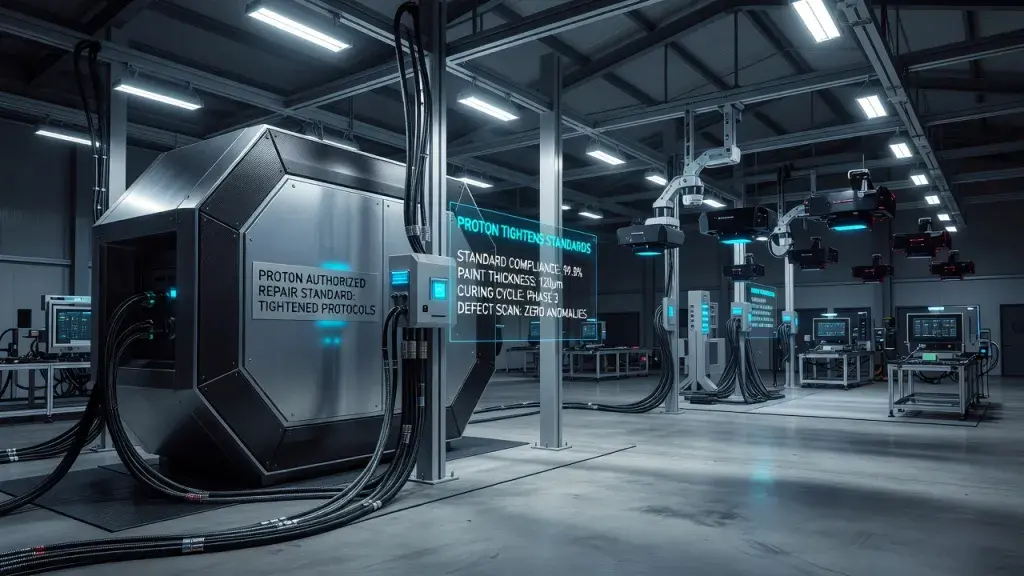
Proton Tightens Standards for Authorized Body and Paint Repairs
Authored by forosoyluna.com, 04/10/2026
Proton has renewed its push to steer owners toward authorized Body & Paint outlets, framing the move as a matter of vehicle longevity and safety rather than simple brand loyalty. The carmaker's argument rests on a straightforward premise: collision repair is a technical discipline, and shortcuts taken at unauthorized garages can quietly compromise a vehicle's structural integrity, resale value, and warranty standing.
Why Authorized Repair Networks Matter
Modern vehicles are engineered as integrated systems, where body panels, crumple zones, and electronic sensors work together to protect occupants in a collision. Repairing a car with non-genuine parts or improvised techniques can undermine that design, even if the cosmetic result looks acceptable. Proton's authorized outlets use manufacturer-specified parts and calibrated equipment, which matters particularly for newer models that rely on sensors for safety features like parking assistance or collision warnings. This same logic of layered protection extends beyond the garage floor. Just as cybersecurity specialists advocate for multiple defensive layers, including malware filtering at the DNS level, automotive safety depends on multiple verified components working in concert rather than isolated fixes. malware filtering at the DNS level
The Cost of Cutting Corners
Unauthorized repair shops often attract customers with lower upfront prices, but the long-term costs can be considerable. Non-genuine parts may not match original specifications precisely, affecting panel alignment, corrosion resistance, or how a vehicle absorbs impact in a future incident. There is also the question of documentation: repairs done outside the authorized network typically void manufacturer warranties and can complicate insurance claims or resale negotiations, since buyers and insurers increasingly ask for verifiable service histories.
What Authorized Outlets Promise
Proton's pitch centers on four commitments: genuine parts, calibrated diagnostic and repair equipment, technicians trained specifically on Proton platforms, and warranty-backed workmanship. Together these form a chain of accountability that is difficult to replicate informally.
- Genuine parts sourced directly through Proton's supply chain
- Diagnostic and repair tools calibrated to manufacturer specifications
- Technicians trained on Proton-specific systems and repair procedures
- Warranty coverage that protects owners against future defects
For owners weighing where to take a damaged vehicle, the decision ultimately comes down to risk tolerance. A lower-cost, unauthorized repair might resolve the immediate visible damage, but it leaves open questions about long-term safety and resale transparency. Proton's round-the-clock customer support line, 1800 88 8398, is positioned as a resource for owners who want clarity before committing to a repair path, reflecting a broader industry trend of carmakers emphasizing verified service networks as a core part of vehicle ownership, not an optional extra.